Step 1: Turn the assignment into one decision
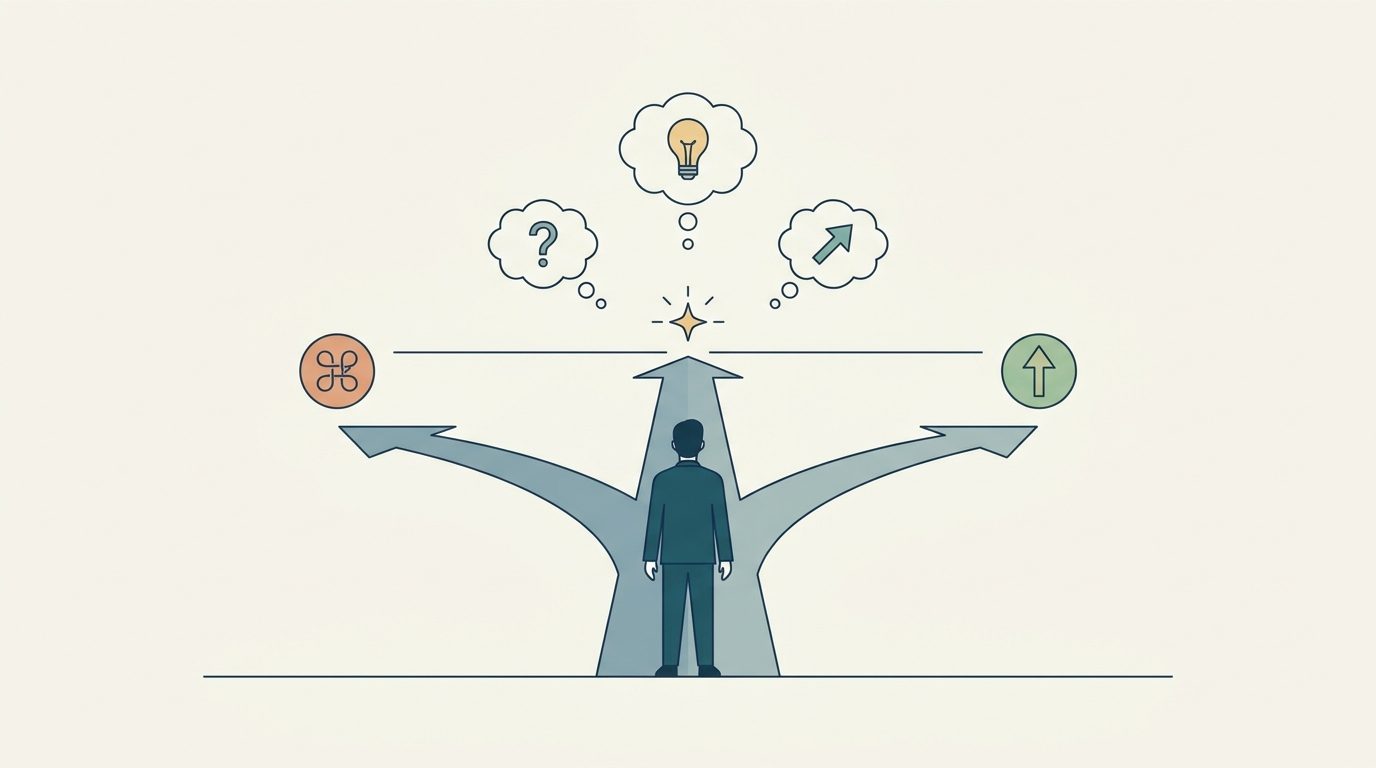
Persuasion starts badly when the writer begins with a subject instead of a position. A subject such as campus resources, public transport, or digital privacy is only a field. The essay needs a decision inside that field.
Goal: identify the change the paper will defend
A useful persuasive question usually contains an actor and an action. Instead of writing about quiet study spaces, the writer can ask whether a university library should offer a specific service.
Use this quick conversion:
- Name the broad subject.
- Choose the group affected.
- Identify who could make a decision.
- State one change that group could make.
- Check whether a reasonable reader could oppose it.
Students still searching for a workable issue can use the persuasive essay topics page to find a narrower starting point.
Running example: from subject to position
The running topic on this page is intentionally ordinary:
- Subject: study conditions in university libraries
- Question: should university libraries lend noise canceling headphones for short study sessions?
- Working position: university libraries should lend noise canceling headphones because some students need access to quieter study conditions without buying specialized equipment.
This is specific enough to argue. It also has a real opposing side, since a library could question cost, cleaning, loss, or whether the service belongs in its budget.
Step 2: Decide exactly who needs persuading

A persuasive paper becomes sharper when the writer stops imagining a vague general reader. Different audiences care about different consequences. A student audience may focus on access. A library administrator may care more about demand, equipment management, and whether the proposal fits the library’s role.
The aim here is to identify what the decision maker already accepts and what still has to be proved. That prevents the essay from spending half its space explaining background that does not move the argument.
Students who want support turning an assignment brief into a finished draft can use an essay writing service.
Build a one minute audience card
For the running example, the audience can be reduced to four useful lines:
- Decision maker: university library administrators
- Likely concern: whether equipment loans are useful and manageable
- What may persuade them: clear benefit, reasonable limits, practical implementation
- What may weaken the case: treating student preference as proof of necessity
Separate agreement from persuasion
A weak draft often spends too much time proving something the audience already accepts. Library staff probably do not need several paragraphs explaining that students study in libraries. The argumentative work begins where agreement stops.
What the audience may already accept
The library serves students, provides shared resources, and manages study spaces.
What still needs to be proved
The proposed headphone loan is useful enough, appropriate enough, and manageable enough to justify adopting it.
The full persuasive essay page explains the genre more broadly. Here, the important shift is from writing for everyone to writing for the person or group that could reasonably accept the proposal.
Before research begins, the example can already be reduced to a small argument board:
| Question | Working answer |
| What should change? | The library should test short headphone loans |
| Who decides? | Library administrators |
| Main benefit to defend | Better access to a quieter study option |
| Strongest practical concern | Cleaning, loss, and staff workload |
| What would make the proposal safer? | Limited use, checkout rules, and a trial period |
Step 3: Build the reason chain before collecting material
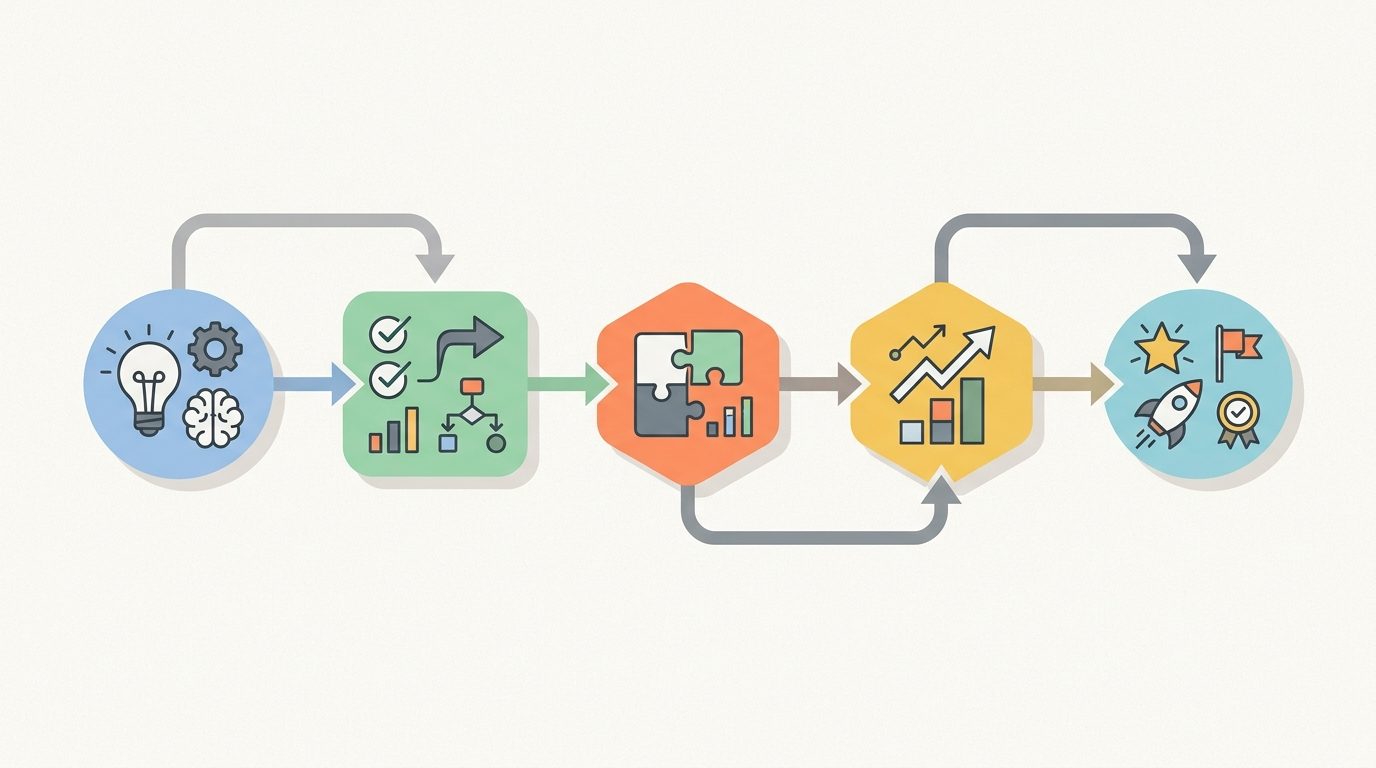
Many persuasive essays become piles of source notes because the writer researches before deciding what each paragraph must prove. A better sequence is claim first, evidence need second, source search third.
For students asking how to write a persuasive essay without getting buried in research, this is the turning point. The writer should know why the position deserves support before opening ten tabs about the topic.
Give each body section one job
For the running example, the argument could be built around three reasons:
- Shared headphones could improve access to quieter study conditions for students who cannot bring their own equipment.
- A limited loan system could fit the library’s existing role as a provider of temporary academic resources.
- Clear checkout and cleaning rules could answer practical concerns about shared equipment.
The persuasive essay outline page is the better place for full planning templates. At this stage, the writer only needs a chain in which every reason supports the same position.
Search for evidence with a purpose
Each reason should create a specific evidence task. The writer can look for material such as:
- Current equipment loan policies at comparable institutions
- Library rules for short term borrowing
- Information relevant to study environment needs
- Maintenance and cleaning procedures for shared equipment
- Cost information relevant to the proposed service
No source should appear merely because it mentions the topic. Evidence has to answer a question raised by the argument.
The example now has a research map
The draft plan is becoming specific:
Claim: the library should offer short headphone loans.
Evidence need one: material showing how comparable short loan services are managed.
Evidence need two: information that helps evaluate access to quiet study options.
Evidence need three: practical information about cleaning, checkout, loss, and replacement.
The writer now knows what to search for and what to ignore.
Step 4: Write the strongest objection before the rebuttal

Persuasive writing loses credibility when the opposing view is treated as foolish. The goal of this step is to locate the objection that puts the most pressure on the proposal, then answer that version rather than an easier substitute.
State the objection fairly
For the running example, the strongest objection might be:
A library should not add shared headphones because the service creates extra cleaning, replacement, and checkout work for an item that many students already own.
That objection matters because it attacks practicality rather than denying that quiet study has value.
Students can compare this balance of claim and response with the broader logic used in an argumentative essay when they need to distinguish persuasion from simple opinion.
Let the objection improve the proposal
A rebuttal does not have to insist that the first version of the idea was perfect. A stronger response can narrow it:
- Offer a small trial rather than a large rollout.
- Limit borrowing to use inside the library.
- Require return at the service desk.
- Use a clear cleaning procedure between loans.
- Review demand before expanding the service.
The counterargument has now changed the running example for the better.
Revised position: university libraries should test a limited noise canceling headphone loan program for use inside the library, with checkout and cleaning rules built into the trial.
The position is more persuasive because it has survived a practical objection.
Step 5: Draft in the order the reader needs

The final paper does not have to mirror the order in which the writer developed the argument. The reader needs context, position, reasons, evidence, a serious objection, and a closing that makes the requested change clear.
Make the opening earn its space
A persuasive introduction can move quickly:
- Establish the specific problem.
- Show why the problem matters to the chosen audience.
- State the position.
- Signal the main reason or direction.
The thesis should not merely announce the topic. Students can use the persuasive essay thesis statements page to test whether the claim joins a position with a reason.
Keep the body argumentative
Each paragraph should answer a question that advances the case. A practical paragraph sequence is:
- Claim: what this paragraph asks the reader to accept
- Support: evidence or example that gives the claim weight
- Explanation: why that material matters
- Connection: how the point strengthens the main position
The writer should not stack quotations and leave the reader to interpret them. Evidence becomes persuasive only after the draft explains its relevance.
Watch the running example become a draft
The paper could now move in this order:
Opening: some students need quieter study conditions, but personal equipment is not equally available.
Body one: a loan service would add another shared study resource.
Body two: the proposal can be limited to short use inside the library.
Counterargument: equipment brings cleaning, loss, and staff workload concerns.
Response: a small trial with simple rules lets the library test demand without committing to a permanent program.
Closing: the library should test the service for a defined period and review use before deciding whether to continue.
Writers who want to compare several ways to place reasons, counterarguments, and the closing can use the persuasive essay structure page.
Step 6: Revise for pressure, not decoration
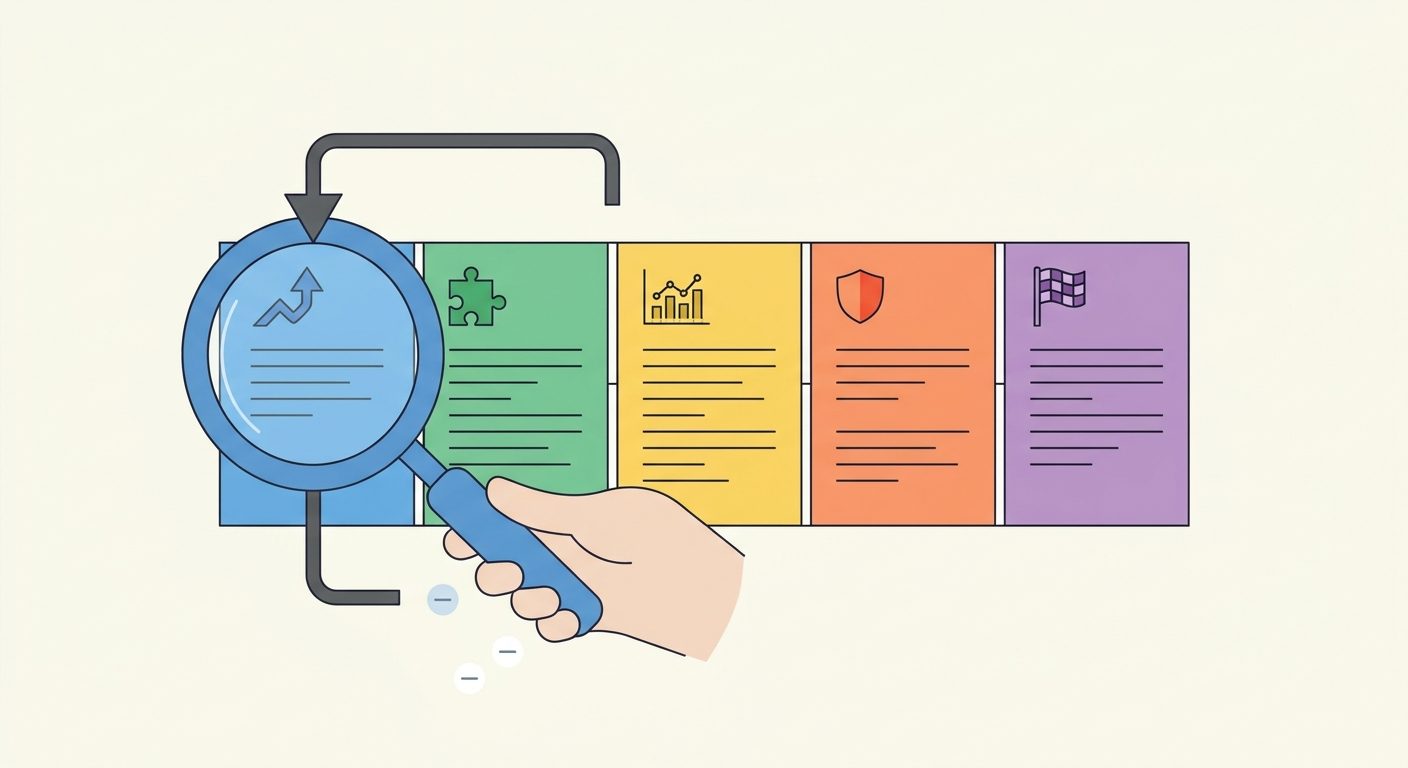
Persuasive revision should test whether the argument still works when every weak sentence is challenged. Grammar matters, but it comes after the logic survives.
Put every paragraph under pressure
Ask whether each paragraph does at least one of these jobs:
- Gives a reason for the main position
- Supplies evidence for a reason
- Explains why the evidence matters
- Answers a credible objection
- Narrows or qualifies the proposal
- Moves the reader toward a decision
If a paragraph does none of these, it may be background that has outgrown its usefulness.
Remove claims that sound larger than the support
Words such as always, everyone, clearly, impossible, and obviously can weaken a careful paper when the evidence does not justify them. Precision is usually more persuasive than volume.
The running thesis, for example, should not claim that every student needs noise canceling headphones. It only needs to defend a limited service for students who could benefit from a quieter study option.
Leave presentation until the argument is stable
Formatting is the final mechanical layer, not a substitute for reasoning. The persuasive essay format page covers MLA and APA presentation, citation placement, and source list requirements.
At this stage, the writer can check whether quotations are introduced clearly, whether citations match the source list, and whether paragraph breaks make the reasoning easy to follow.
Use the available time without wasting the first half
The method stays the same whether the essay has to be finished tonight or can develop across a week. What changes is the depth of research and revision.
| Task | One evening | One week |
| Choose the position | 20 minutes | Day 1 |
| Map audience and reasons | 20 minutes | Day 1 |
| Find and evaluate support | 60 to 90 minutes | Days 2 and 3 |
| Draft the argument | 90 minutes | Days 4 and 5 |
| Write counterargument and response | 30 minutes | Day 5 |
| Revise logic and evidence | 40 minutes | Day 6 |
| Format and proofread | 20 minutes | Day 7 |
The one evening version needs a narrower claim because there is less time to evaluate competing material. A longer schedule gives the writer more room to test sources and improve the counterargument, but extra time helps only when it is used to challenge the case.
Learning how to write a persuasive essay becomes much easier once research, drafting, and revision stop competing for attention at the same time. Each stage has one job.
Students looking for finished models can compare the persuasive essay examples page after drafting. Samples are most useful at revision, when the writer can study reasoning moves without copying content.
Finish with a decision ready checklist
Before submission, the writer should be able to answer yes to each item:
- The thesis states a clear position rather than only naming the issue.
- Every body paragraph supports the same central claim.
- Evidence is followed by explanation.
- The essay answers a credible opposing view.
- The proposal is narrow enough to defend within the word limit.
- The closing asks the reader to accept a specific judgment or action.
- Citations and formatting match the assigned style.
If several items fail, line editing should wait. The essay still needs argumentative revision.