Many economics essays lose marks before the marker reads a single argument. The logic may be strong, the research may be honest, the examples may be sharp. Yet messy formatting, weak structure, broken citations, and awkward presentation quietly damage trust.
That feels unfair until one truth becomes clear: format is part of communication. If the paper looks confused, readers expect confused thinking.
This page focuses on the practical side students often ignore. Not theory. Not topic selection. Not generic motivation. The real mechanics of turning a rough economics draft into a professional final version.
Good formatting does not guarantee a high grade. Bad formatting can quietly lower one.
What Economics Essay Format Actually Means
Many students think format only means font size and spacing. That is the smallest part of the job.
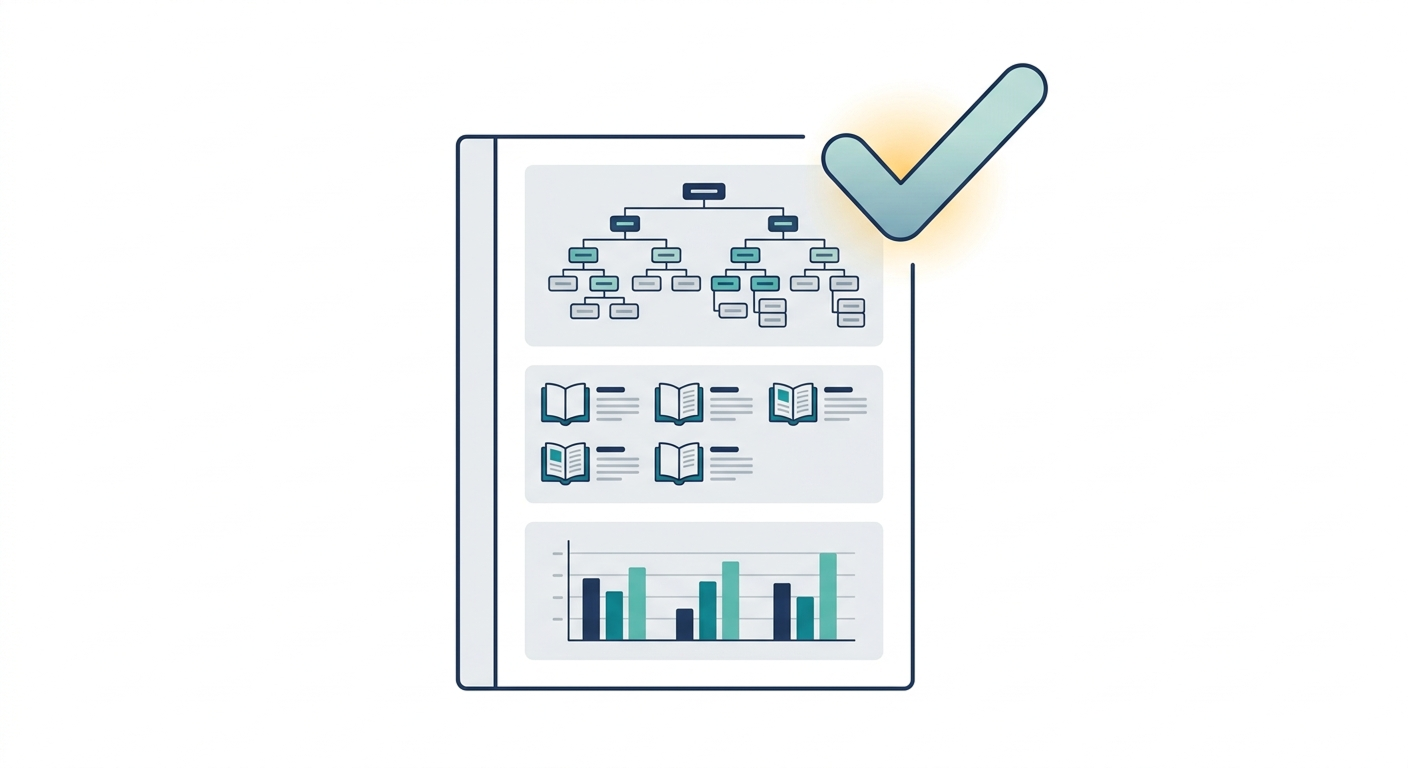
Strong formatting includes:
- clear structure;
- readable paragraphs;
- correct citation style;
- logical headings;
- clean tables and graphs;
- consistent presentation.
These Economics essay formatting rules matter because they reduce friction. The reader spends less energy decoding the paper and more energy judging the ideas.
The Standard Economics Paper Layout
Most universities do not need creativity in layout. They need clarity. The Standard economics paper layout is simple for a reason.
| Section | Main Goal |
| Title Page (if required) | Identification and professionalism |
| Introduction | State question and thesis |
| Main Body | Arguments, evidence, evaluation |
| Conclusion | Final judgment |
| References | Source credibility |
| Appendix (optional) | Extra data or charts |
This structure works across many institutions because it mirrors academic logic.
Economics Title Page Format: When You Need One
Some professors ask for no title page. Others require one. Always check the brief first.
Typical Title Page Items
- essay title;
- student name or ID;
- course name;
- professor name;
- date;
- word count.
UK universities often prioritize anonymous candidate numbers. Some US colleges prefer full identification. Small details matter more than students expect.
The Thesis-First Introduction Format
Many economics introductions spend half a page warming up. That usually wastes space.
The Thesis-first introduction format places the answer early. Readers should know the direction quickly.
Weak Opening
Inflation has been discussed by economists for many years.
Stronger Opening
Recent inflation reduced real wages, yet aggressive rate hikes risk slowing growth. This essay argues that mixed policy responses are more sustainable than tightening alone.
The second version respects the reader’s time.
How to Structure Economics Essay Body Sections
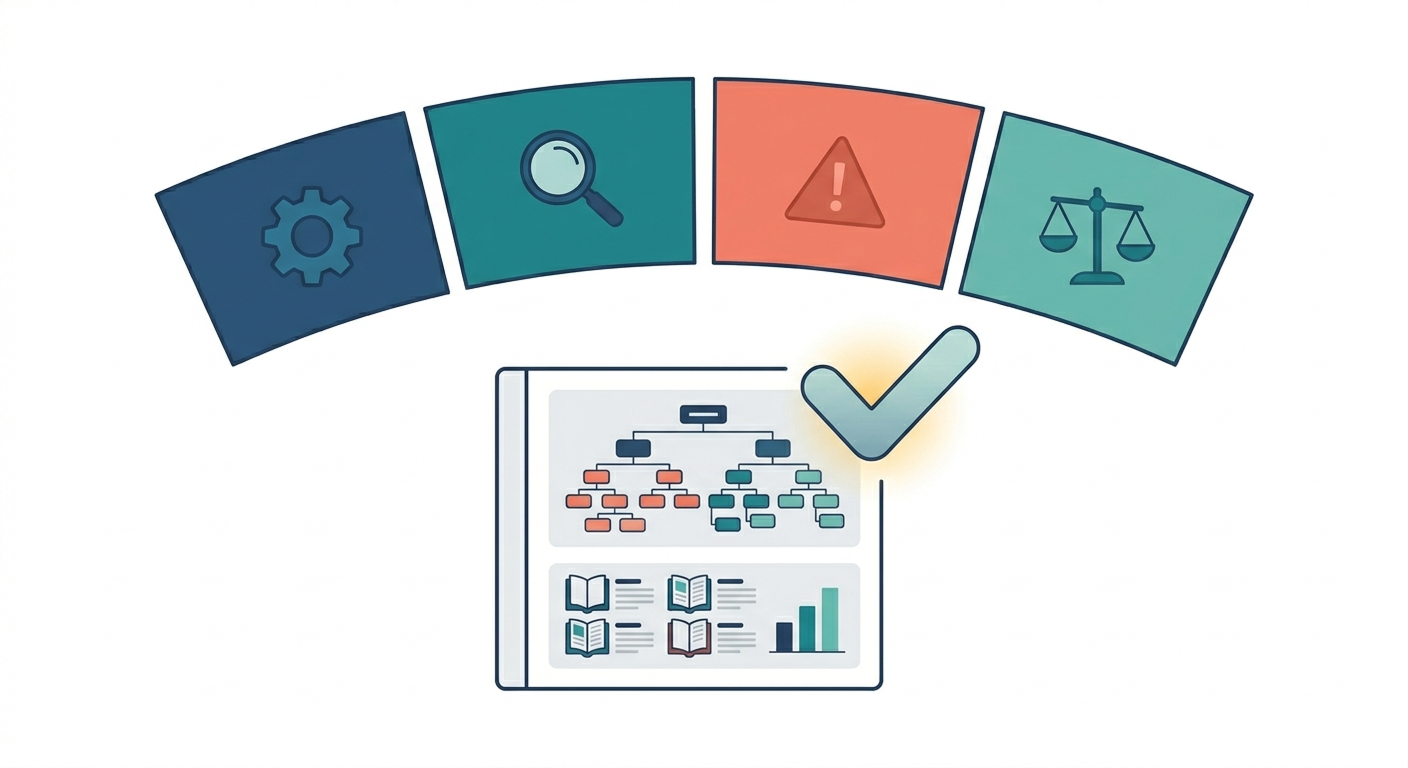
Students asking how to structure economics essay papers often overcomplicate the middle sections. Keep the body functional.
Reliable Formula
- Paragraph 1: Main mechanism.
- Paragraph 2: Evidence or case study.
- Paragraph 3: Counterargument or limitation.
- Paragraph 4: Comparative or policy judgment.
Each paragraph should do one clear job.
Paragraph Block Organization
Walls of text hurt readability. Tiny one-line paragraphs look nervous. Good paragraph block organization creates rhythm.
Useful Rule
Most academic paragraphs work well between 4 and 7 sentences when each sentence adds value.
What to Avoid
- one paragraph covering three ideas;
- paragraphs longer than a page;
- single-sentence paragraphs with no purpose;
- random breaks for visual effect.
Claim-Evidence-Analysis Paragraph Style
This is one of the strongest paragraph models in economics writing.
| Step | Function |
| Claim | Make the point |
| Evidence | Support it |
| Analysis | Explain why it matters |
Mini Example
Higher mortgage rates reduced housing demand. Loan approvals fell after borrowing costs increased. This suggests monetary policy can cool asset markets faster than wage inflation.
Without the third sentence, many essays stay unfinished.
Headings and Subheadings Structure
Some economics essays need headings. Others should remain clean prose. Follow the assignment style.
Use Headings When:
- The paper is long.
- Several sections compare policies.
- Graphs need separate discussion.
- The professor requested formal structure.
Skip Headings When:
- Short essays under 1,000 words.
- Exam conditions.
- Simple two-part assignments.
Headings and subheadings structure should guide, not clutter.
Logical Paragraph Sequencing
One common student mistake is placing paragraphs in the order they were written instead of the order they should be read.
Better sequence:
- Explain the core mechanism.
- Support with evidence.
- Introduce challenge or exception.
- Deliver judgment.
Writing order and final order are often different.
Word Count Allocation Method
Many students waste 35% of the essay on the introduction. That is expensive.
| Section | Suggested Share |
| Introduction | 10–15% |
| Main Analysis | 65–75% |
| Conclusion | 10–15% |
This Word count allocation method keeps space where marks are usually earned.
Economic Model Explanation Format
When using supply and demand, elasticity, market failure, or growth models, do not paste theory mechanically.
Better Formula
- name the model;
- explain how it applies here;
- state one limitation.
That Economic model explanation format sounds analytical rather than memorized.
Graph and Table Labeling Style
Charts without labels look careless. Readers should never guess what a figure shows.
Always Include
- figure number;
- clear title;
- units;
- source;
- short explanation in text.
This Graph and table labeling style is expected in many business schools and economics departments.
Data Citation Formatting Method
Students often cite books correctly and statistics badly. Data sources still need references.
Example: OECD unemployment dataset, World Bank GDP table, central bank inflation report.
A clean Data citation formatting method protects credibility.
APA, Harvard, or Chicago?
Different institutions prefer different systems.
- Many US colleges use APA economics essay format rules.
- Many UK universities use Harvard citation economics style.
- Some research-heavy departments request Chicago style economics paper references.
Never guess. Check the module handbook or rubric.
Comparative Policy Format
When comparing two policies, keep symmetry. If Policy A gets three paragraphs and Policy B gets half a paragraph, balance is broken.
Best Layout
- policy A strengths and limits;
- policy B strengths and limits;
- direct comparison;
- final recommendation.
This Comparative policy format prevents messy debate writing.
Evaluation Paragraph Placement
Many students leave evaluation until the conclusion. Too late.
Use evaluation inside the body after your strongest claim. That shows critical thinking while the argument is active.
This Evaluation paragraph placement often raises the tone of the whole paper.
Conclusion Judgment Format
Weak conclusions summarize. Strong conclusions decide.
Use This Formula
- Return to the question.
- State final judgment.
- Acknowledge one limit.
- End clearly.
Example: Rate hikes can reduce inflation, but when supply shocks dominate, mixed policy responses are more durable.
Economics Essay Outline vs Final Draft
Students often confuse planning with formatting. An economics essay outline is a private tool. The final paper is a public product.
Your outline can be messy. The submitted version should feel inevitable.
Modern Mistakes Students Still Make
- copying template headings blindly;
- mixing citation styles;
- using five fonts after editing;
- tables with no source;
- huge intro, tiny conclusion;
- no spacing consistency.
Some students panic and try to buy economics essay help late in the process. Usually a clean reformat and one focused edit hour does more.
Using Current Topics Without Breaking Format
Current economics essay topics such as AI productivity, inflation shocks, housing affordability, or carbon taxes still need disciplined formatting. Trendy themes do not excuse sloppy structure.
Final Draft Presentation Checklist
Before submitting, check these details carefully.
- Consistent font and spacing.
- Clear thesis in introduction.
- Logical paragraph order.
- Correct citations.
- Labeled charts.
- Strong final judgment.
- No formatting glitches in PDF.
Format is where professionalism becomes visible. Strong ideas deserve clean delivery.