They expect formulas, graphs, percentages, and pages full of technical language. When they receive the assignment, some panic because they do not feel “mathematical enough.” Others go in the opposite direction and write pure opinion dressed in confident sentences.
Both reactions miss the point.
An economics essay is usually not a calculation exercise. It is an argument about how resources are used, how people respond to incentives, how markets behave, and why choices create consequences. Numbers may appear. Models may appear. But the real task is reasoning.
That surprises people every year.
At its core, an economics essay asks whether the writer can think economically.
That means asking questions such as:
A history essay may ask what happened. A literature essay may ask what a text means. An economics essay often asks why behavior changes when conditions change.
That difference matters.
Many weak essays begin with moral certainty.
These statements may sound strong, but economics usually demands more than declarations.
A stronger essay asks:
That is where real analysis begins. In economics, a confident answer without assumptions is usually incomplete.

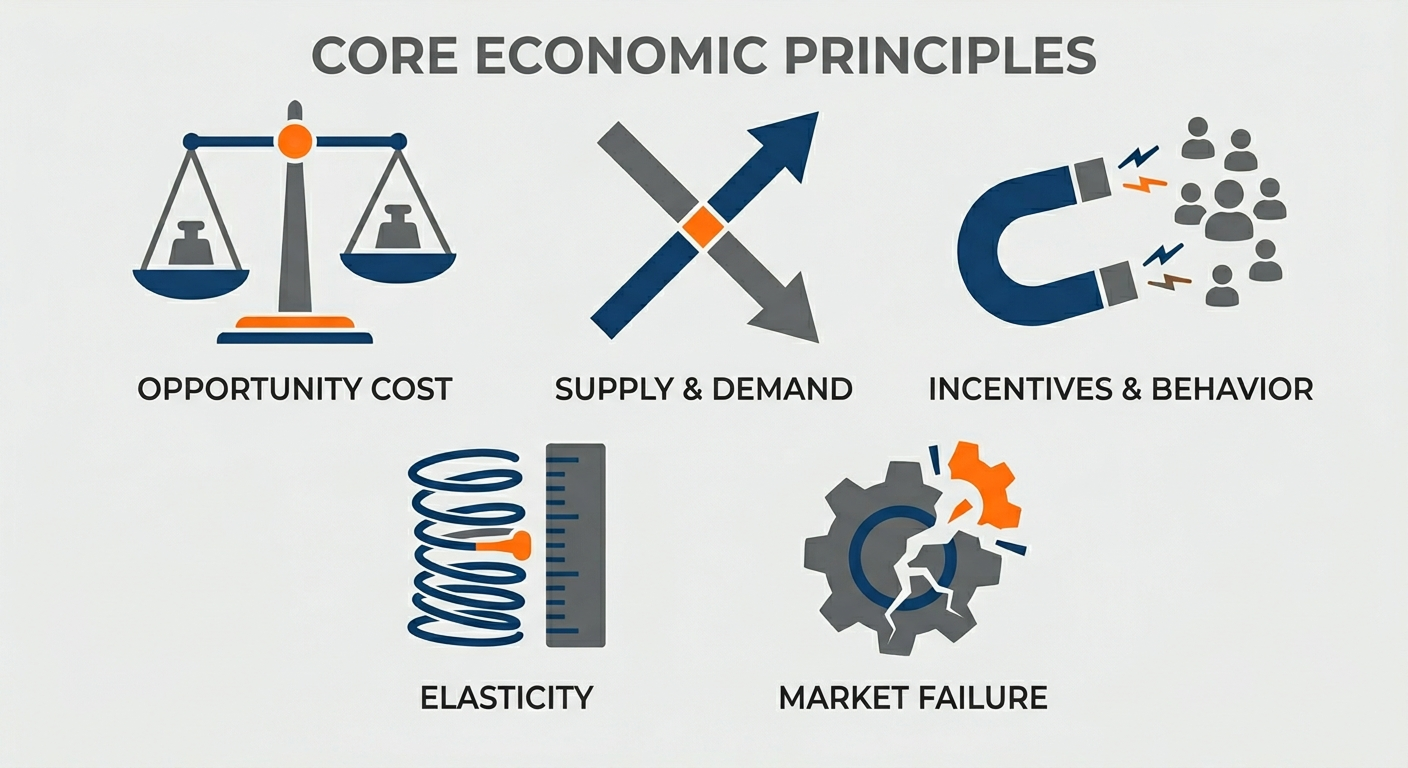
Even when prompts look different, many economics essays revolve around a few recurring concepts.
| Concept | Why It Matters in Essays |
| Opportunity Cost | Every choice gives up something else |
| Supply and Demand | Explains price movements and shortages |
| Incentives | People often respond to rewards and penalties |
| Elasticity | Shows how strongly buyers or sellers react |
| Market Failure | Explains when markets alone may not allocate efficiently |
| GDP | Measures output, but not every form of welfare |
A student who understands these ideas usually writes with more depth, even without complicated vocabulary.
This is where many essays improve quickly.
| Raw Claim | Economic Lens | Better Essay Direction |
| Housing is too expensive | Supply restrictions, demand growth, interest rates | Evaluate whether zoning reform could improve affordability |
| Gas prices are unfair | Global supply shocks, taxes, transport demand | Analyze short-term vs long-term price drivers |
| College costs too much | Subsidies, demand growth, labor costs, signaling | Assess causes of tuition inflation |
| Inflation hurts everyone | Different households experience inflation differently | Examine unequal impact across income groups |
Notice the shift. The issue moves from frustration to explanation.
That is a major step in economics writing.
Microeconomics usually focuses on consumers, firms, pricing, competition, labor markets, and specific industries.
Macroeconomics looks at inflation, unemployment, growth, recession, interest rates, and national policy.
If the prompt asks about housing prices in one city, a micro lens may matter more. If the prompt asks about recession recovery, macro tools become central.
Good essays know which lens they are using.
Economics can attract strong opinions because it touches money, inequality, taxes, jobs, and policy. But passion alone does not carry an essay very far.
Evidence may come from:
Strong writers do not just cite data. They interpret it.
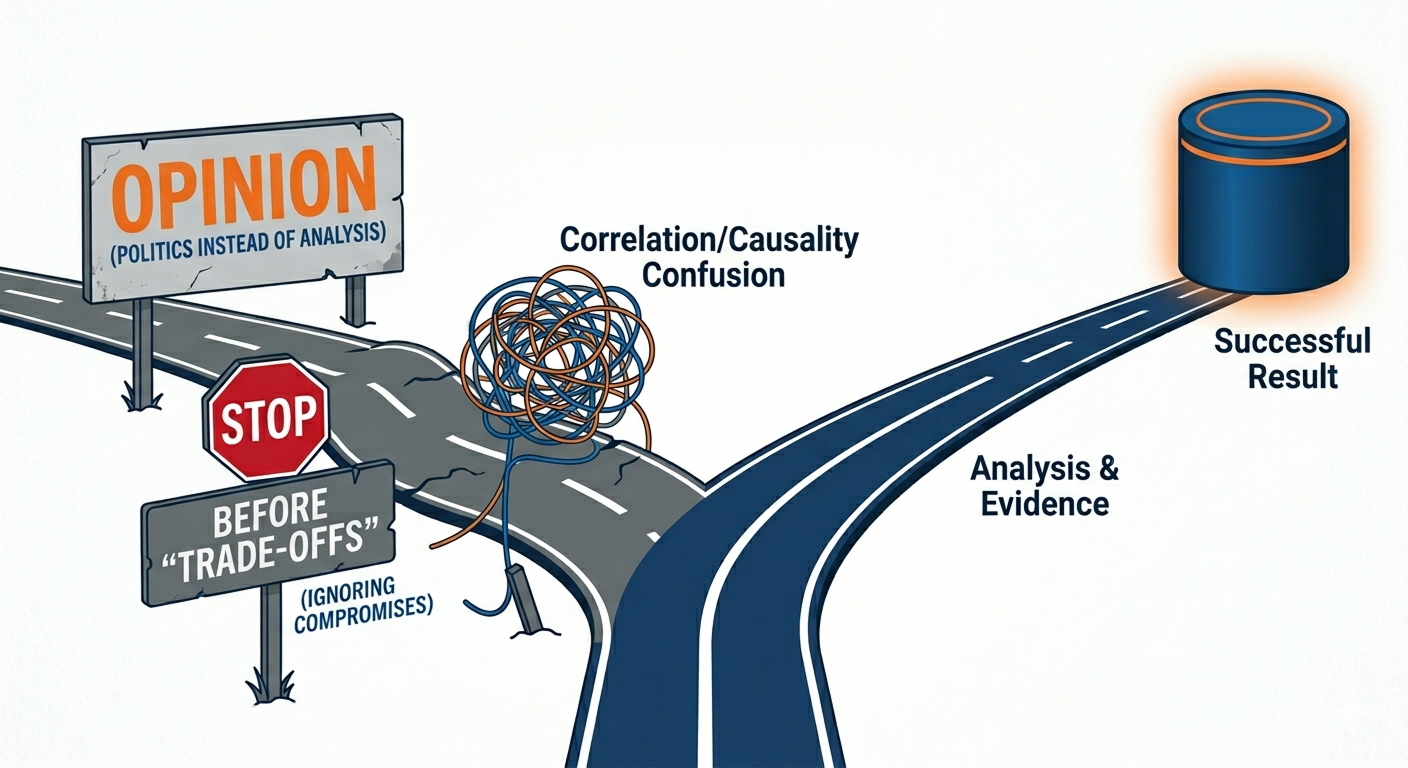
A rise in employment after a policy change does not automatically prove the policy caused it. Economic conditions are messy. Multiple forces move at once.
That is why careful writers respect limits.
In many economics essays, readers can sense quality early.
Signals of stronger work:
Signals of weaker work:
Often, the difference is discipline rather than brilliance.
Named economists can deepen an essay when relevant, not when decorative.
Adam Smith may help in discussions of markets, specialization, and incentives.
John Maynard Keynes may matter in debates about recessions, fiscal stimulus, and government intervention.
But name-dropping without connection adds little. Mentioning Smith in an essay about modern telecom pricing means nothing unless the idea actually fits.
Use thinkers for substance, not prestige.

Policy questions may involve politics, but an economics essay still needs analysis, not slogans.
Almost every decision has costs somewhere.
A policy can help one group and hurt another.
Two trends moving together do not automatically explain each other.
Complex words cannot rescue weak reasoning.
Students often think they are learning how to pass one course.
Usually, they are learning something broader.
Economics essays train the ability to:
Those skills travel well beyond the classroom.
A manager deciding prices uses them. A voter judging policy uses them. An entrepreneur entering a market uses them. Even households budgeting quietly use them.
Before writing, ask:
These questions often improve a draft more than polishing sentences for an hour.
So, what is an economics essay? It is a structured explanation of how choices create outcomes in a world of limited resources.
It asks the writer to think beyond surface reactions, beyond headlines, beyond first opinions. To trace causes, compare incentives, test evidence, and accept that many economic questions have trade-offs rather than perfect answers.
That can feel demanding because it is. But it also makes the writer sharper. And that skill tends to remain useful long after the grade is forgotten.